
Help Shape the Future of Food Access
We are partnering with The Marion Institute and Sustainable Nantucket to spearhead a comprehensive assessment in 2026 to strengthen and unify the food system across Southeastern Massachusetts.
We are partnering with The Marion Institute and Sustainable Nantucket to spearhead a comprehensive assessment in 2026 to strengthen and unify the food system across Southeastern Massachusetts.
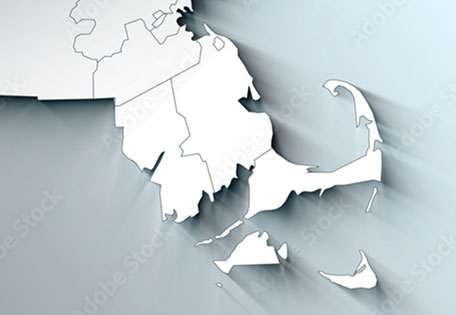
The Marion Institute, through the Southcoast Food Policy Council, is expanding its 2026 Food System Assessment to include six interconnected counties in Southeastern Massachusetts, forming a regional “foodshed.”
The assessment will use both a technical, data-driven approach and a community-driven approach, employing the CARAT tool to gather input from diverse stakeholders and evaluate food system resiliency across 101 indicators in seven thematic areas.
These themes include natural resource management, community health, self-resilience, inclusive leadership, local food infrastructure, food sovereignty, and place-based economics. By combining these approaches, the project aims to identify infrastructure needs, foster collaboration, and establish a shared language and baseline for food system resiliency.
The ultimate goal is to clarify gaps and opportunities in the regional food system, enabling all participating counties to develop a collaborative action plan to strengthen food security and resilience.


CARAT is a collaborative platform created by the North American Food Systems Network and Indiana University to help communities assess their local food systems. Using 101 indicators across 7 themes, CARAT measures how food system assets contribute to community resilience.
The tool emphasizes collaboration, inclusivity, and the involvement of marginalized voices, complementing technical assessments by focusing on policy, emergency planning, accessibility, and identifying soft infrastructure. CARAT enables communities to track improvements and guide next steps for greater resilience and food sovereignty.
THEME 1, Natural Resource Management: Use, Conservation, and Preservation of Ecosystems and Farmland
FOCUS:
THEME 2, Community Health & Well-Being
FOCUS:
THEME 3, Community Self-Resilience in Food
FOCUS:
THEME 4, Distributed and Democratic Leadership
THEME 5, Focus on Local Farmers, Food Processors, and Food Distributors
THEME 6, Food Sovereignty
THEME 7, Place-Based Economics

© 2026 Nourish Nantucket. All rights reserved.Privacy Policy